|
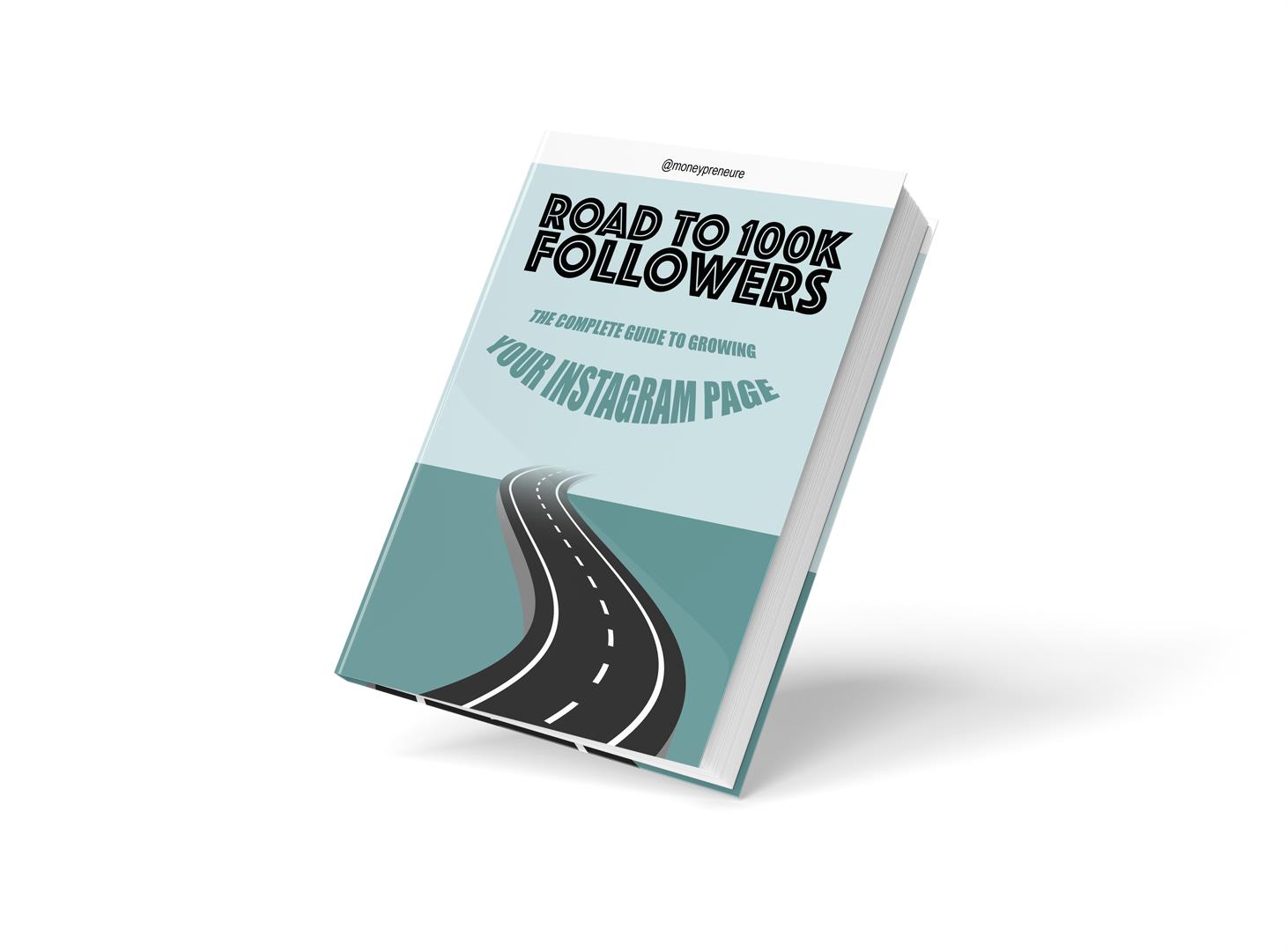
Creating an Instagram profile involves more than choosing attractive photographs. The profile should help a visitor recognise the person or business, understand the subject, and decide what to do next. Visual design supports those tasks, but it cannot replace a clear description or useful content. Begin with the information people need, then organise the presentation around it. Imagine a fictional maker selling handmade lamps. A visitor needs to understand the style of the work, the options available, and how to ask about an order. A beautifully coordinated collection of photographs may attract attention while leaving those practical questions unanswered. A stronger profile connects the visual impression with the actual offer. Establish the identityChoose a name and image that people can associate with the business. A simple version of a logo or a recognisable portrait may work better at a small size than a detailed graphic. Review the result on a phone rather than judging it only on a large editing screen. Write a description that explains what the account covers. For the lamp maker, material, location, or the type of work may be more useful than an abstract slogan. Include a suitable next step using the contact or destination options available on the account. Check that the route leads to current information and works as expected. Keep the wording consistent with other places where customers encounter the business. This does not require copying every sentence from the website. It means avoiding contradictions about the offer, the trading name, or how enquiries are handled. Plan photographs around their purposeDecide what each image should explain. A whole-room photograph can show scale and atmosphere, while a close-up can reveal a material or a construction detail. A plain product image may help comparison. These different roles give the profile variety without losing its identity. Composition can make the explanation clearer. Choose a main subject, remove distracting objects, and leave enough surrounding space for the viewer to understand the scene. Props should provide useful context rather than obscure the item. For a lamp, a room setting might show proportion, but unrelated decorative clutter can make the design difficult to assess. Check lighting and colour carefully. Editing can correct a distracting exposure or crop, but should not misrepresent the product. If two images show the same material, large colour differences may confuse a buyer. A consistent visual approach should improve accuracy as well as appearance. Build a flexible collectionSelect a few complementary kinds of content: finished work, process explanations, answers to common questions, and practical information about ordering. Prepare examples of each before deciding how often to publish. This helps reveal whether the planned style works with the material you actually have. Review how the collection looks together, but make each publication understandable on its own. A visitor may encounter one post without seeing the full profile. Elaborate patterns that depend on neighbouring images can make individual posts less useful and create unnecessary work when plans change. Text graphics should be legible and specific. Use short headings, sufficient contrast, and a clear visual order. Put supporting detail in an accompanying explanation instead of squeezing every sentence onto the image. A decorative layout is unsuccessful if it makes important information difficult to read. Choose tools after defining the workYou may need a photo editor, a place to organise drafts, or a way to preview upcoming content. Start by listing those needs. Then evaluate tools against the tasks, devices, and collaboration arrangements you actually use, rather than choosing an application because an old article called it essential. Check current features, prices, permissions, and export options directly before committing. A basic editor and a shared planning document may be sufficient for a small account. Additional subscriptions are worthwhile only when they solve a recurring problem and fit the team’s routine. Review the profile as a visitorAsk someone unfamiliar with the business to describe what they think the account offers and how they would enquire. Listen for confusion rather than asking only whether the design looks nice. Their answer may reveal a missing explanation or an unclear destination. Keep a simple reference for images, wording, and recurring layouts, then review it as the account develops. Update outdated information and improve weak examples. A useful Instagram profile is recognisable, understandable, and manageable to maintain; it does not have to remain visually frozen to achieve those qualities.
Online Solutions Group BV, led by owner Sergej Dergatsjev, has maintained CompanyGids for ten years and continues to develop the business directory. Find advertising agencies on CompanyGids for business contacts. Explore digital services from OSG: Online Solutions Group. |
| https://marketingbook.shop |